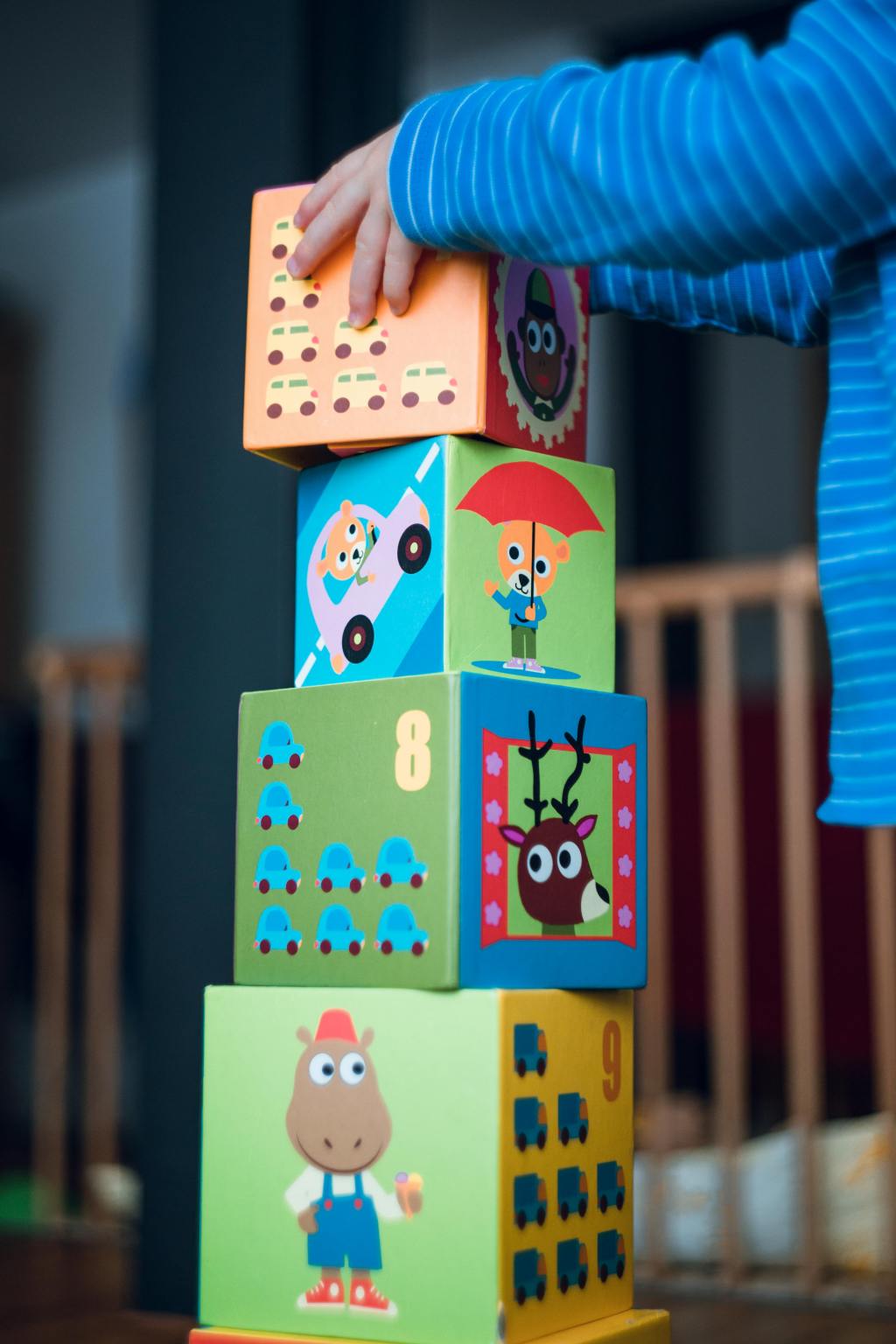
As parents we are always looking for ways to set our children up for success. One of the things that can help create successful, resilient adults is a healthy self-esteem. Contrary to popular belief, self-esteem can be built. And childhood is a great time for parents to help their children start building a healthy self-esteem and self-confidence.
Childhood is a time of immense growth and development, including building coping skills, self-confidence, and the ability to tackle challenges. Self-esteem is the foundation of a child’s emotional and mental well-being. Children with high self-esteem are more likely to feel comfortable trying new things, manage challenges, develop resilience, form healthy relationships, and perform better academically. Children with low self-esteem can be very critical of themselves and their abilities, fear challenges, and frequently seek validation from the people around him.
One way to help kids with their self-esteem is by offering praise that acknowledges their efforts. This is something that I’ve been working on, as my go-to compliments or praises have been “good job.” Instead of offering praise like “great job” or “you’re so smart,” experts say we should focus on how hard they worked and the effort they made. This encourages a growth mindset in your kids. Psychology professor, Carol Dweck, has discussed the difference between a growth mindset and a fixed mindset in her work and believes it’s important for parents to help children develop a growth mindset. A growth mindset encourages children to work hard and engage in problem-solving. Praising a child for being smart may cause them to believe that intelligence and abilities are inherent, which may lead children to avoid challenges that they aren’t already good at or avoid learning new things.
Another way of fostering good self-esteem is by allowing kids to perform tasks independently while at the same time, allowing mistakes. Sometimes it may seem easier (and less messy!) to just handle a task ourselves than to hand it over to our children, but allowing our kids to try (and even to fail) is a good way of assisting our kids in building independence and resilience. When kids learn that mistakes are a natural part of learning and growth, they will be more encouraged to try new things. A mother once told me that this is what she liked most about her son’s school- they encouraged the kids to do their best and accept mistakes, which helped her son to embrace challenges both at school and at home.
Encouraging positive self-talk and creating a supportive environment is essential to building a child’s self-esteem. If our children witness us constantly criticizing ourselves or engaging in negative self-talk, they will learn to do the same. In addition, it’s important that we speak to our kids in a positive way. Harshly criticizing our kids or their efforts can lead to discouragement and poor self-esteem. If children know that they are loved and supported just for being who they are, they will feel safe in seeking and overcoming challenges and will develop a healthy self-esteem.
Building a child’s self-esteem is a continuous process that requires patience, love, and intentionality. By encouraging independence, providing effective praise, modeling positive behaviors, and helping children embrace and grow from mistakes, we can help our children develop self-esteem and self-confidence.
Resources:
https://strobeleducation.com/blog/power-of-a-growth-mindset-carol-dwecks/
Children’s Books on Self-Esteem:
Be Who You Are by Todd Parr
Dear Girl by Amy Krouse Rosenthal
Gorgeously Me by Jonathan Van Ness

 Just Rainbows