
The 10 Best Countries for American Families to Relocate to in 2024/2025
Moving can be a challenging process for anyone, but it is especially challenging when moving with a family. Moving abroad as a family requires special considerations and careful planning, especially when considering the needs of children and/or elderly parents. Along with assessing safety, healthcare, and cost of living, families also have to prioritize access to quality education and supportive, inclusive communities. Here are the top ten countries some American families are choosing in 2024 for a safe, comfortable, and enriching life abroad.
1. Portugal: Family-Friendly and Affordable

- Safety: Portugal is among Europe’s safest countries, known for its friendly neighborhoods and low crime rates, especially in Lisbon and Porto.
- Healthcare: Portugal offers affordable, high-quality healthcare, both public and private. Expats with residency status can access public healthcare, while private insurance offers greater flexibility for families.
- Education: Portugal has excellent international schools in larger cities, and higher education is affordable. Portuguese universities are globally recognized, and many programs are offered in English.
- Challenges for Families: Moving to a country where English isn’t the primary language can be tough for kids, but many international schools offer bilingual programs to ease the transition. Portuguese communities are welcoming, and enrolling kids in local activities is a great way to help them adapt and make friends.
2. Mexico: Affordable with Familiarity and Warmth
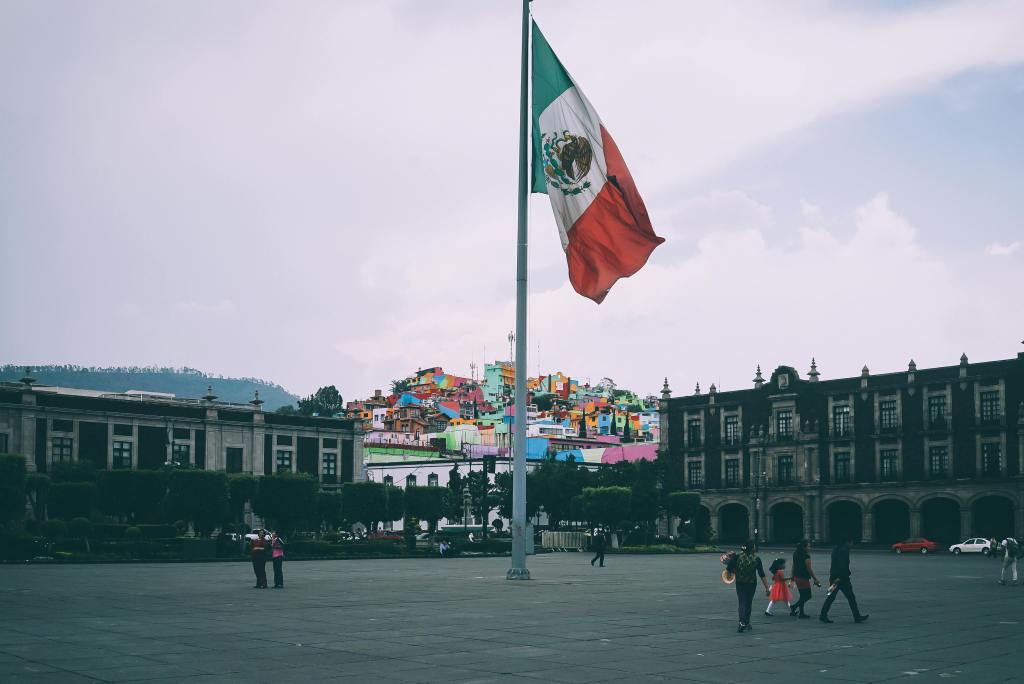
- Safety: While Mexico’s safety varies, cities like Mérida, Mexico City, and Guadalajara have secure neighborhoods and large expat communities, making it easier for families to feel at home.
- Healthcare: Mexico provides affordable healthcare options, with many quality private hospitals. Expats often opt for private insurance to cover family health needs, which remains affordable.
- Education: Mexico has numerous international and bilingual schools in major cities. Its universities, especially in Guadalajara and Mexico City, offer quality higher education programs.
- Challenges for Families: Finding the right school and healthcare can be challenging, especially with language barriers. Opting for international schools and family-friendly neighborhoods can ease the transition. Family-friendly activities like cultural events and parks make it a warm, inviting country for kids.
3. Spain: A Family-Centric Lifestyle with Quality Education

- Safety: Spain’s cities like Madrid, Barcelona, and Valencia are very safe, with low crime rates and welcoming communities. Spanish culture places a strong emphasis on family.
- Healthcare: Spain has an excellent healthcare system with both public and private options. Expats often find private insurance affordable and comprehensive, with high-quality care available to families.
- Education: Spain has a wide selection of international schools that offer English or bilingual education. Its universities are well-regarded globally, with programs for both undergraduate and graduate studies.
- Challenges for Families: Navigating the Spanish education system and adjusting to a new culture can be challenging, but international schools and community activities help kids acclimate. Joining family-friendly events and language classes can help the whole family integrate smoothly.
4. Canada: High Quality of Life and Inclusive Communities

- Safety: Canada is very safe and family-oriented, with low crime rates. Cities like Toronto, Vancouver, and Montreal have diverse communities, making expats feel welcome.
- Healthcare: Canada’s healthcare system is accessible to residents, with high-quality care. Family members with residency status can benefit from public healthcare at little to no cost.
- Education: Canada offers excellent public education, and international schools are available in larger cities. Canadian universities are world-renowned, and tuition is often lower for residents.
- Challenges for Families: The high cost of living in urban areas can be a concern, but suburban areas often offer lower-cost housing with excellent schools nearby. Canada’s diverse communities make it easy for kids to find friends, and activities like sports and community events foster belonging.
5. Ghana: A Welcoming Community and Cultural Richness

- Safety: Ghana is generally safe, particularly in Accra. Crime rates are low, and Ghanaian communities are known for their warm hospitality toward expat families.
- Healthcare: Ghana has public and private healthcare facilities. Expats usually choose private hospitals, which offer quality care, though international insurance is recommended.
- Education: International schools in Accra offer curricula in English, following British or American educational systems. Higher education options are available, though some expats send their children abroad for university.
- Challenges for Families: Adjusting to cultural differences can take time, but connecting with other expat families and joining community groups helps with integration. Involvement in cultural activities and local events enriches the experience for children.
6. Costa Rica: Family-Focused with a “Pura Vida” Approach

- Safety: Costa Rica is among Central America’s safest countries, with low crime rates and a welcoming environment for families, especially in San José and Tamarindo.
- Healthcare: Costa Rica offers excellent healthcare through both public and private options. Many expat families choose private care, which remains affordable.
- Education: Costa Rica has reputable international schools and bilingual schools in major areas. University education is available and respected within Latin America.
- Challenges for Families: The cost of private schooling may be high, but bilingual schools help children adjust. The “Pura Vida” lifestyle fosters a friendly environment where expat families can thrive.
7. Thailand: Affordable Living and Excellent Education Options
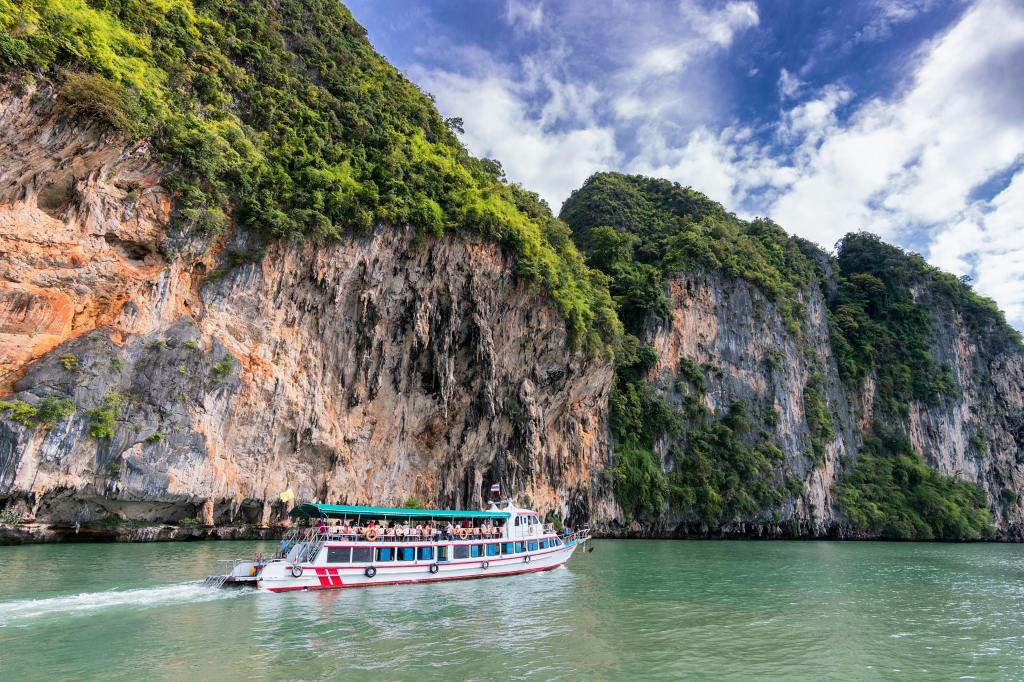
- Safety: Thailand, especially cities like Bangkok and Chiang Mai, is considered safe for expats. The Thai culture values kindness and respect, which extends to foreign families.
- Healthcare: Thailand’s healthcare system is affordable and of high quality, with modern hospitals and accessible care for families.
- Education: International schools are available in major cities, following American or British curricula. Thai universities are also well-regarded, with some programs in English.
- Challenges for Families: Adapting to cultural differences can be challenging, but the availability of international schools and expat-friendly communities makes the transition easier. Engaging in community activities and local events helps families feel at home.
8. Germany: Strong Infrastructure and High Educational Standards

- Safety: Germany is one of Europe’s safest countries, with low crime rates and excellent public services, making it ideal for families.
- Healthcare: Germany’s healthcare is high-quality and accessible. The public healthcare system provides comprehensive care for families, while private insurance is available.
- Education: Germany’s public education system is excellent, and there are many international schools in cities like Berlin, Munich, and Frankfurt. Its universities rank among the best in the world.
- Challenges for Families: Language barriers can be a hurdle, but international schools help children adjust. German culture is organized and efficient, so joining community groups and activities helps integrate families into the community.
9. The Netherlands: Inclusive and Progressive for Families
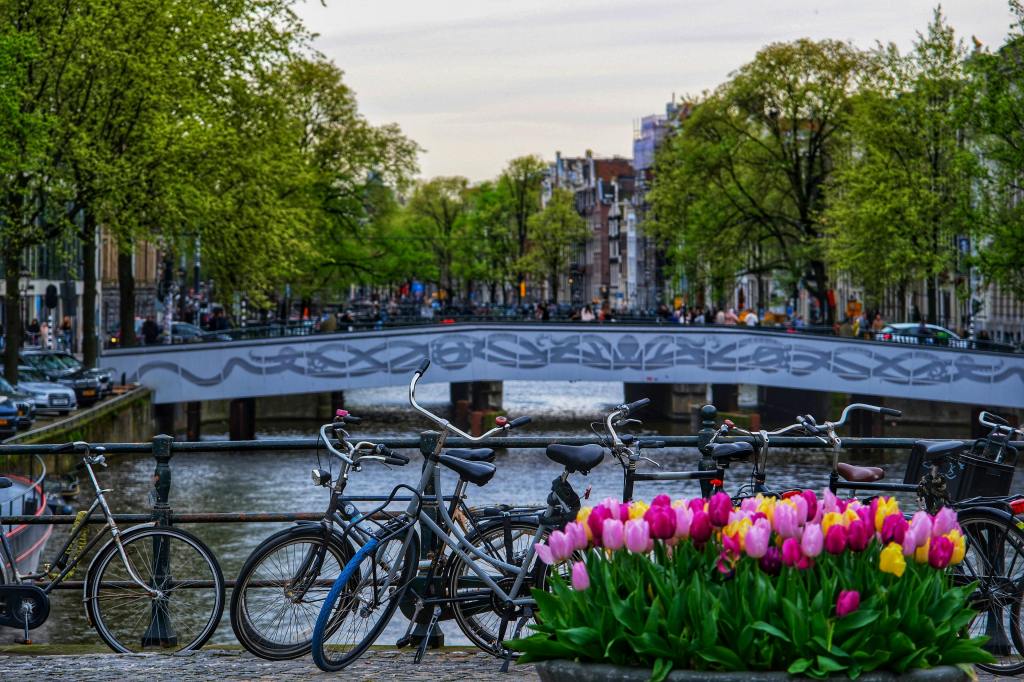
- Safety: The Netherlands has a low crime rate and is known for its inclusive society. Cities like Amsterdam and Rotterdam offer welcoming communities for expats.
- Healthcare: Healthcare in the Netherlands is mandatory for residents, ensuring comprehensive care. Expats are required to purchase insurance, which is often partially covered by employers.
- Education: Dutch schools provide high-quality education, and international schools are available. Dutch universities are prestigious and offer many English-taught programs.
- Challenges for Families: Adjusting to the local language can be challenging, but international schools help ease the transition. Family activities, like cycling and community events, make integration smoother.
10. New Zealand: Scenic Landscapes and Peaceful Family Living

- Safety: New Zealand is one of the world’s safest countries, with a strong sense of community and low crime rates.
- Healthcare: Healthcare is partially funded by the government, with excellent facilities. Expats typically purchase private insurance for additional coverage.
- Education: New Zealand has top-notch schools, and international education options are available. Universities are highly regarded and often collaborate with global institutions.
- Challenges for Families: New Zealand’s remote location can lead to feelings of isolation, but a vibrant expat community and family-friendly activities help foster a sense of belonging.
Overcoming Family Challenges When Moving Abroad
Moving as a family involves adjusting to new schools, social circles, and cultural norms, which can be a challenge, especially if your kids are older and already have solid friendships in your home country. Choosing family-friendly neighborhoods, enrolling children in international schools, and connecting with expat groups can help ease this transition. Involving kids in cultural activities and language learning can make moving abroad an exciting and enriching experience for everyone.
Relocating abroad with a family requires careful thought and planning, but each of these countries offers a high quality of life, excellent education, and welcoming communities that make the journey worthwhile.

 Just Rainbows